
EYFS
Early Years Foundation Stage
Early Years Foundation Stage (EYFS)
A LOVE OF LEARNING STARTS HERE
At Redfield Edge Primary School, we believe every child deserves an exceptional start to their educational journey. Our Early Years Foundation Stage (EYFS) provides a nurturing, calm and predictable environment where children develop the knowledge, skills and confidence they need to thrive both now and in the future.
We recognise that the early years are a critical period in a child’s development. The experiences children encounter during these formative years lay the foundations for future success in learning, relationships and wellbeing. Through high-quality interactions, purposeful play and carefully planned learning experiences, we ensure every child is supported to make strong progress from their starting point.
Our EYFS Vision
Our vision is to create confident, capable and curious learners who:
- Develop a lifelong love of learning.
- Feel safe, valued and have a sense of belonging.
- Build resilience, independence and self-belief.
- Communicate effectively and confidently.
- Show kindness, respect and empathy towards others.
- Are well prepared for a successful transition into Key Stage 1 and beyond.
Our Curriculum
Our curriculum is designed to provide children with rich experiences that broaden their understanding of the world and develop the essential knowledge and skills needed for future learning.
Learning is built around the seven areas of learning and development within the Department for Education Statutory EYFS framework:
PRIME AREAS · Communication and Language · Personal, Social and Emotional Development · Physical Development | SPECIFIC AREAS · Literacy · Mathematics · Understanding the World · Expressive Arts and Design |
These areas are carefully woven together through engaging themes, purposeful play opportunities and meaningful real-life experiences.
The Importance of Language
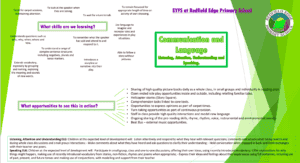
We place strong emphasis on developing children’s language and communication skills.
We know that language is the foundation for learning. Through high-quality conversations, storytelling, songs, rhymes, vocabulary-rich teaching and carefully planned interactions, we help children develop the confidence to express their ideas, ask questions and make sense of the world around them.
Our adults act as skilled facilitators, extending children’s thinking and introducing ambitious vocabulary that supports both academic success and personal development.
Learning Through Exploration and Play
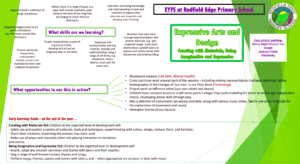
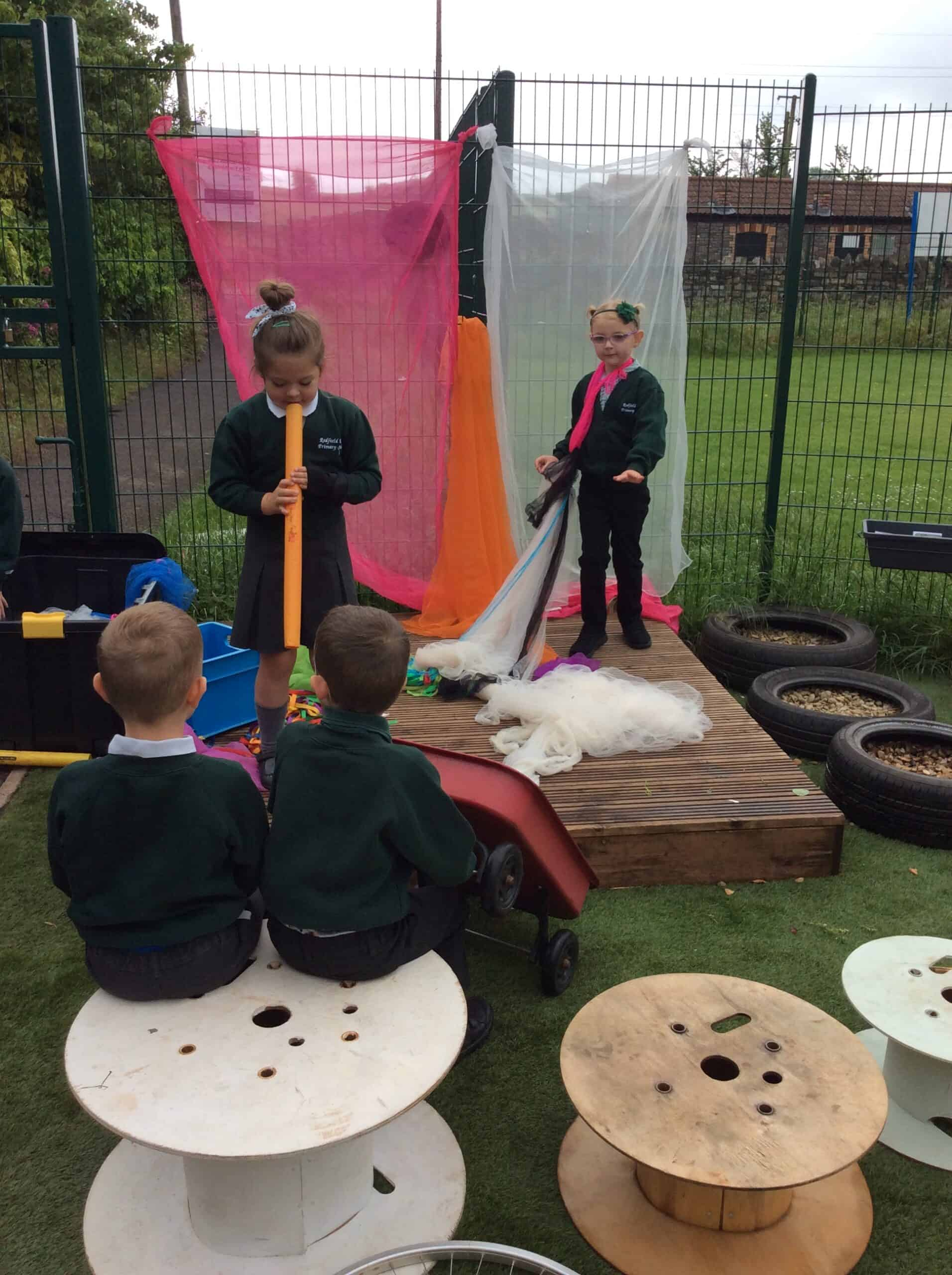
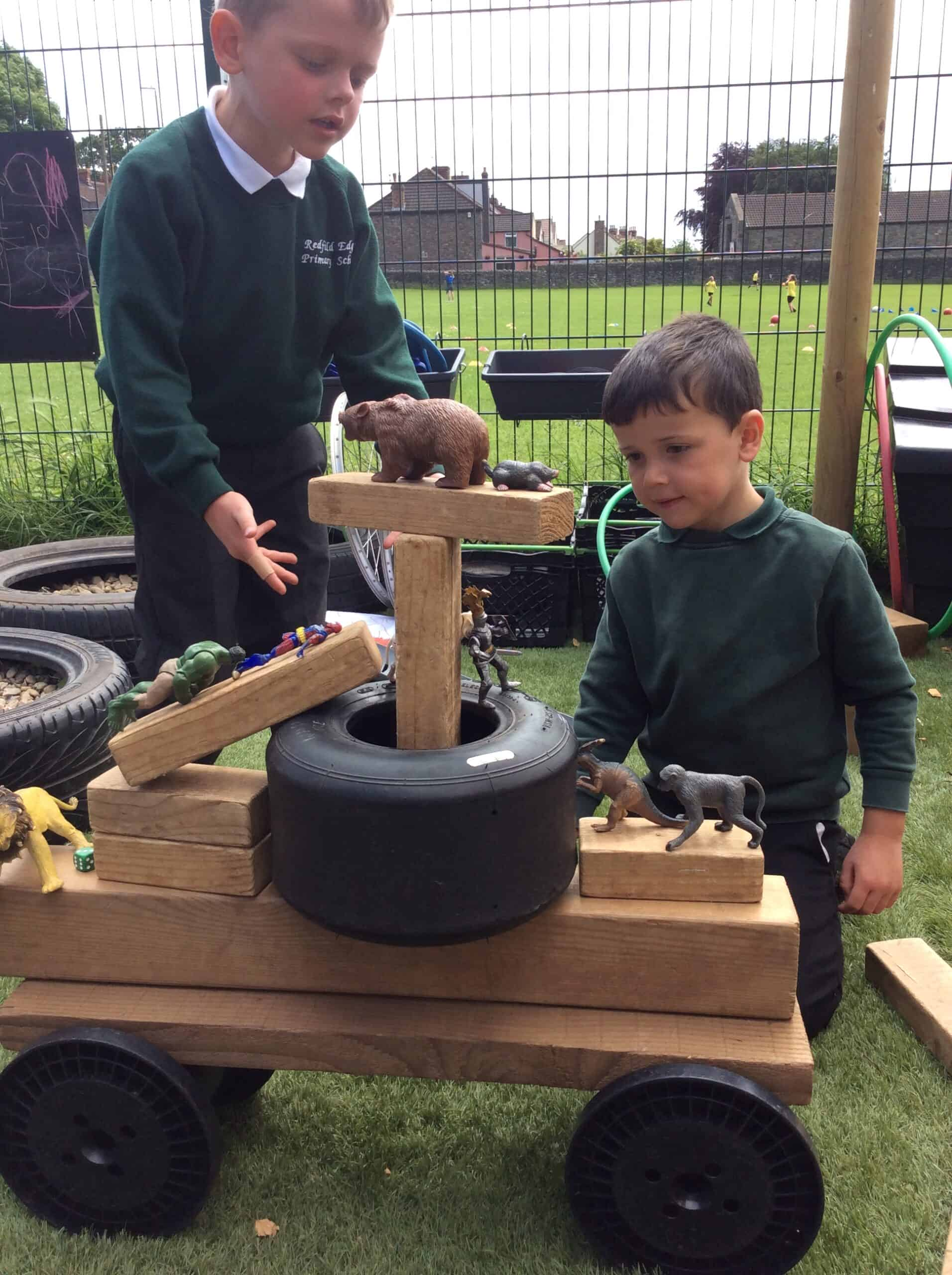
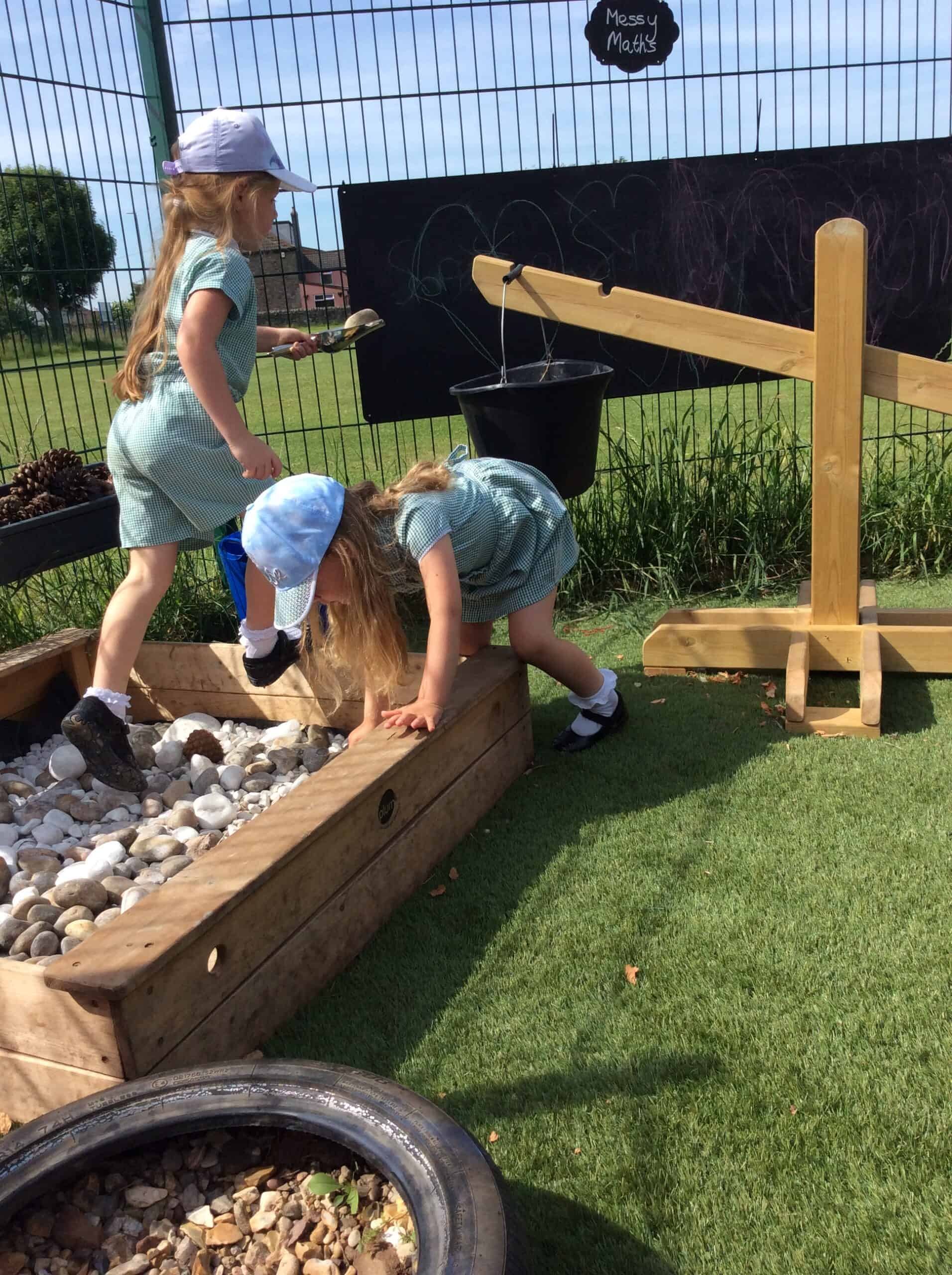
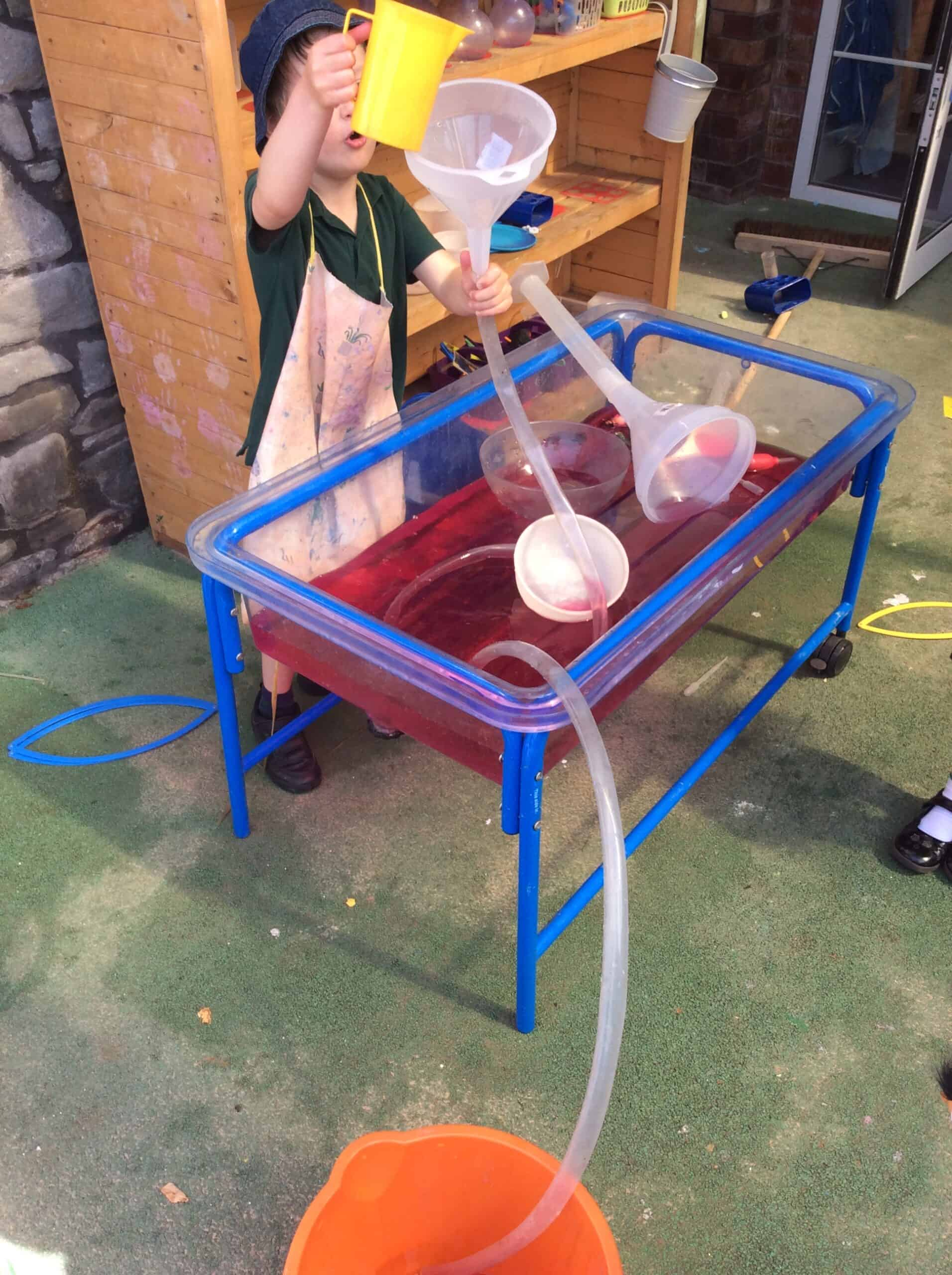
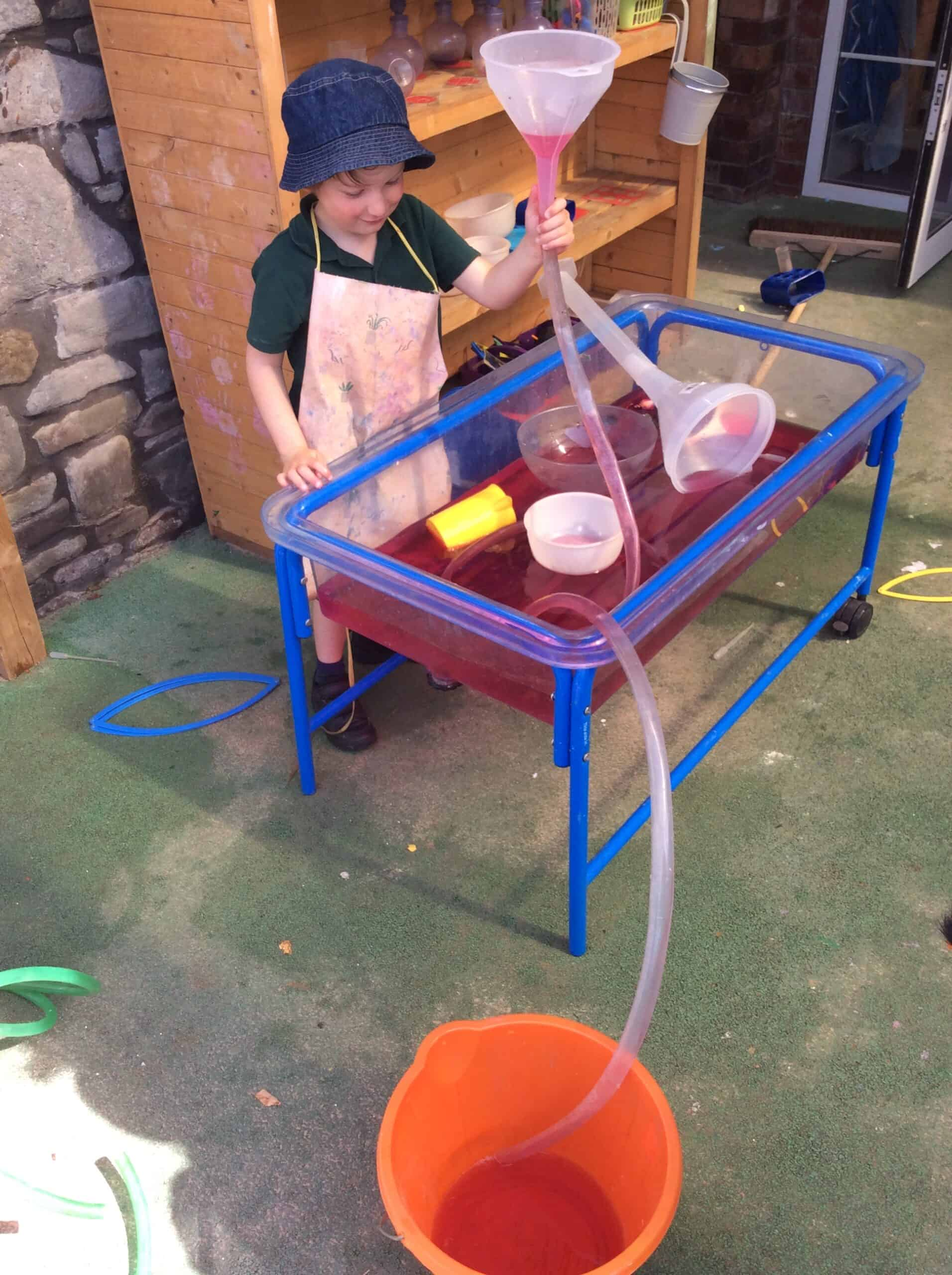
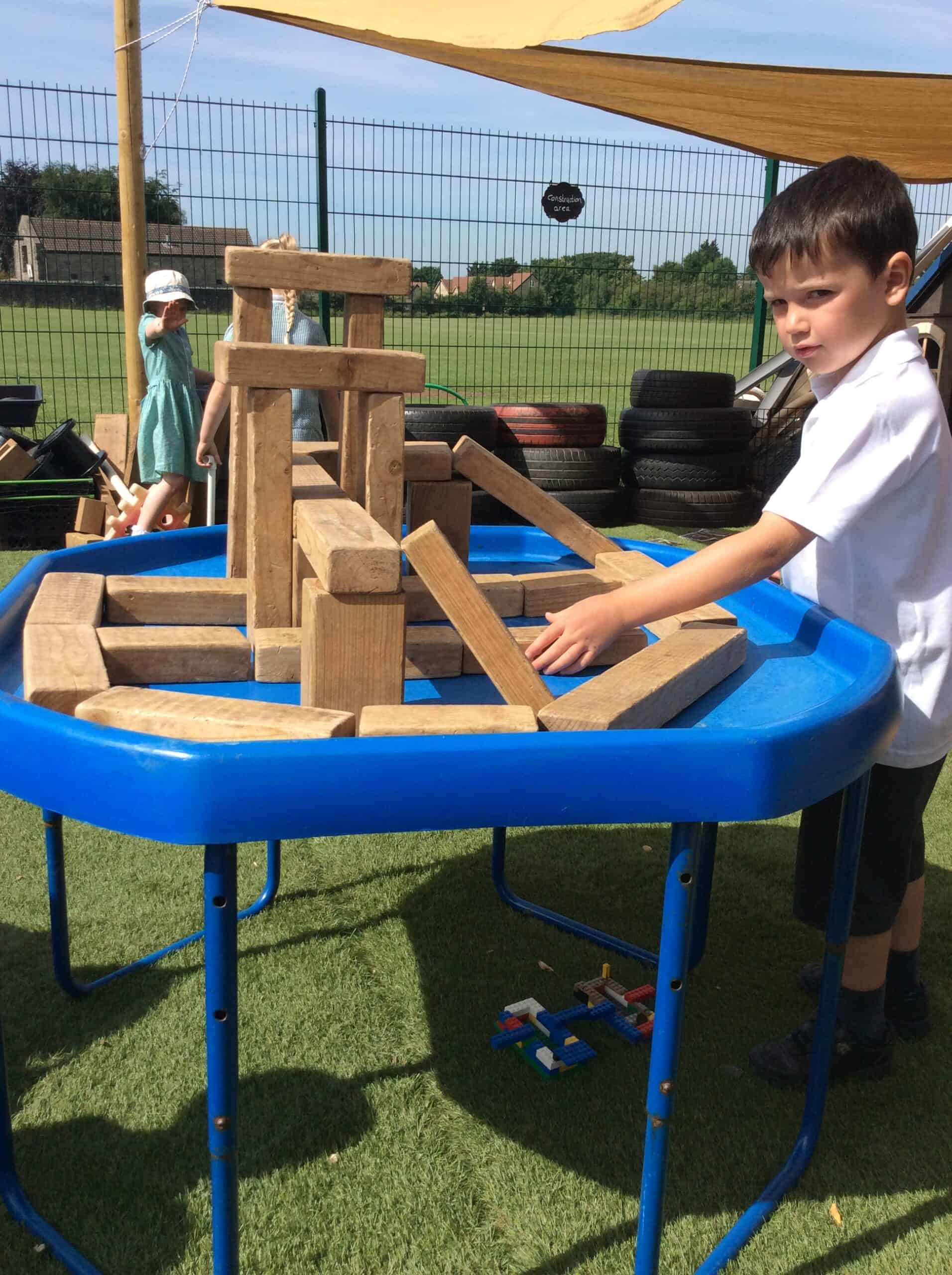
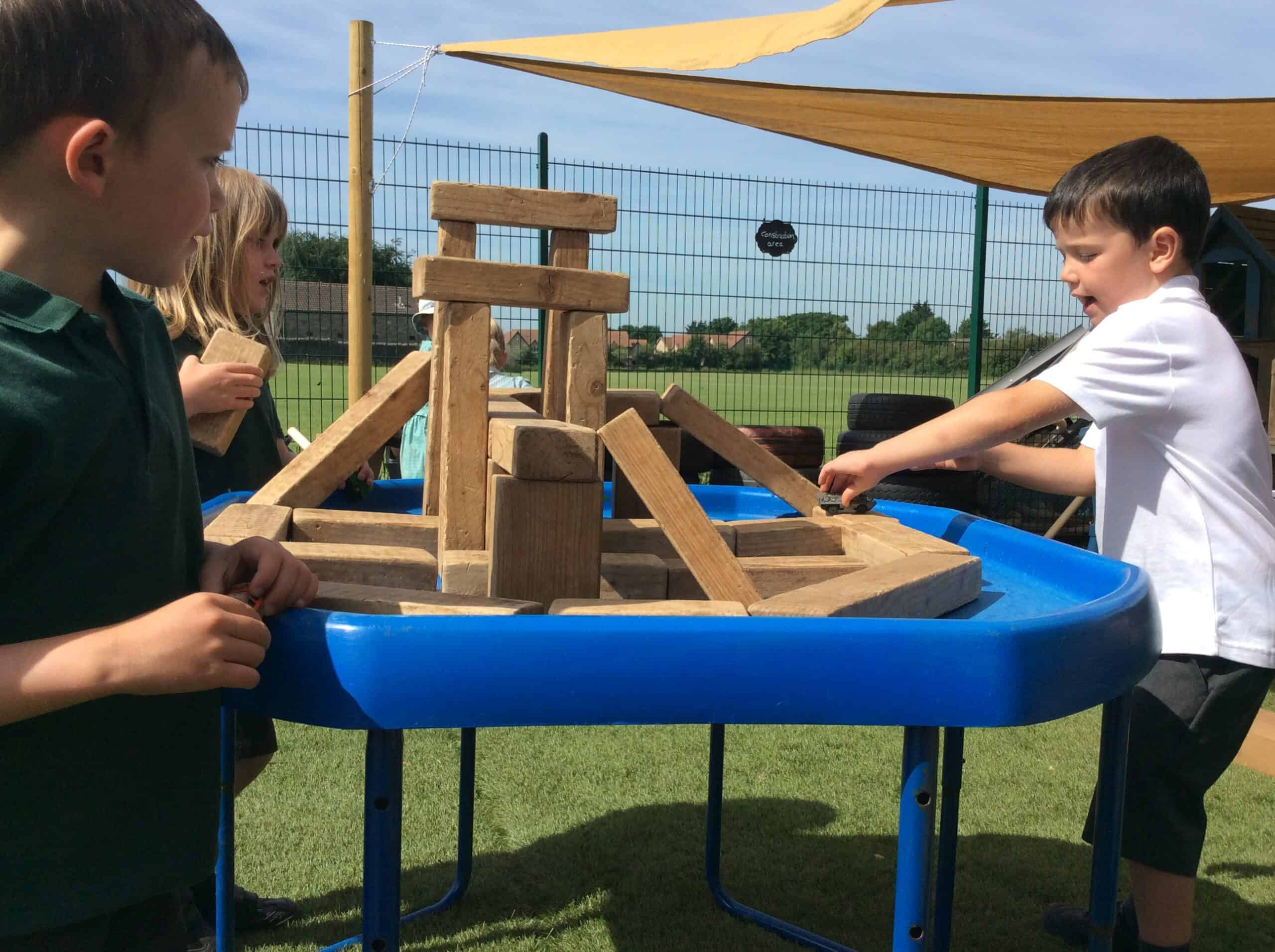
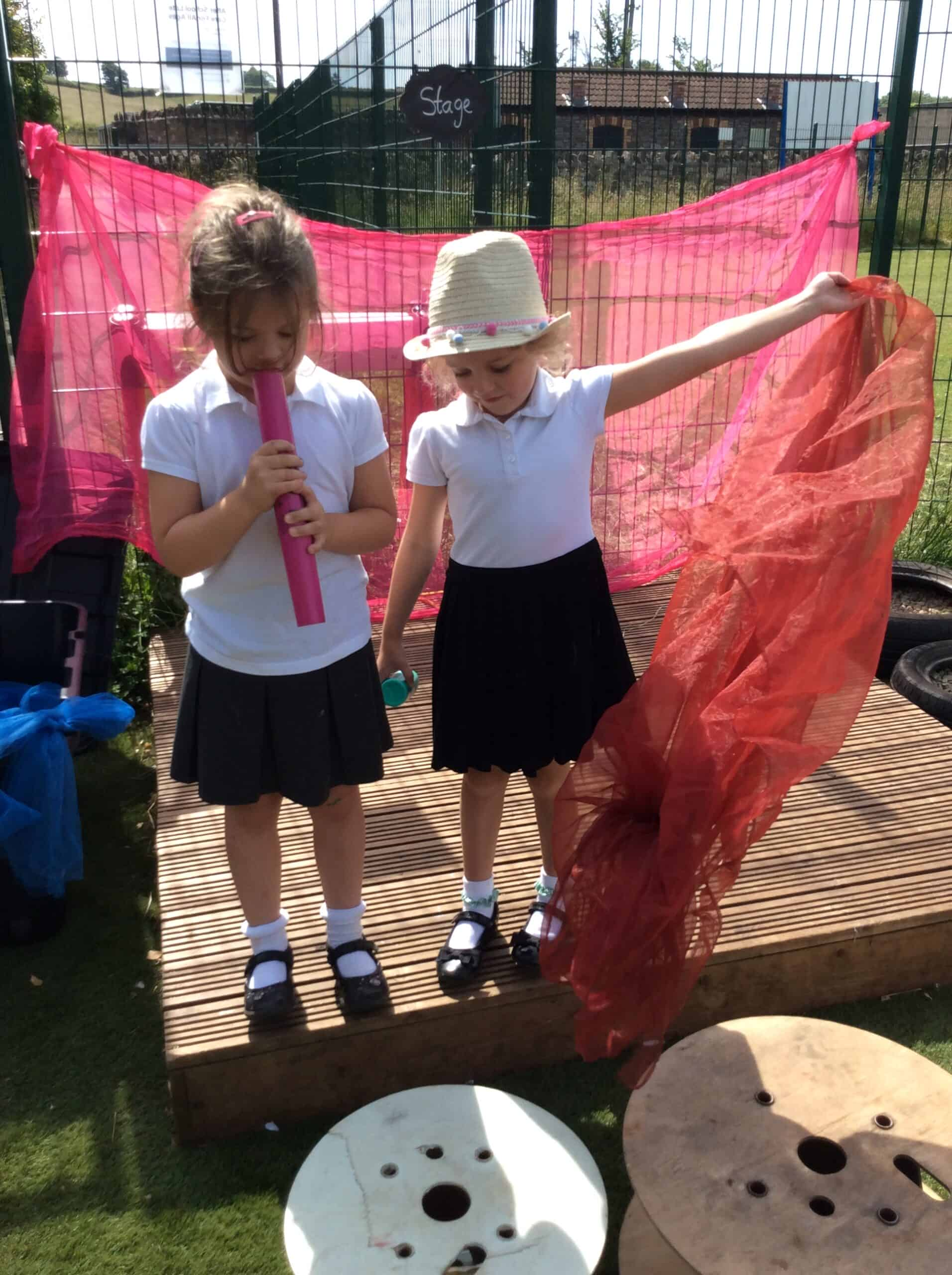
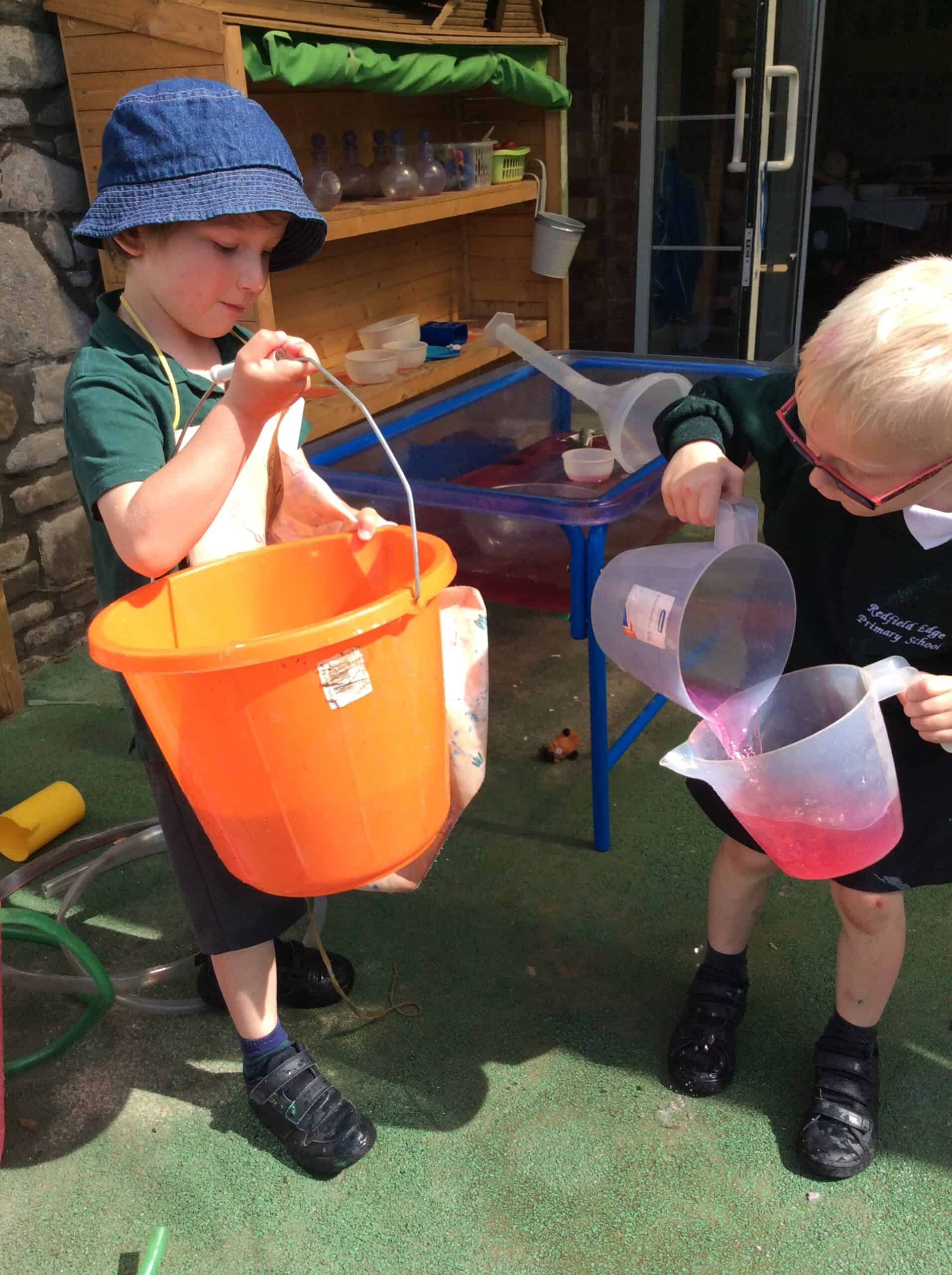
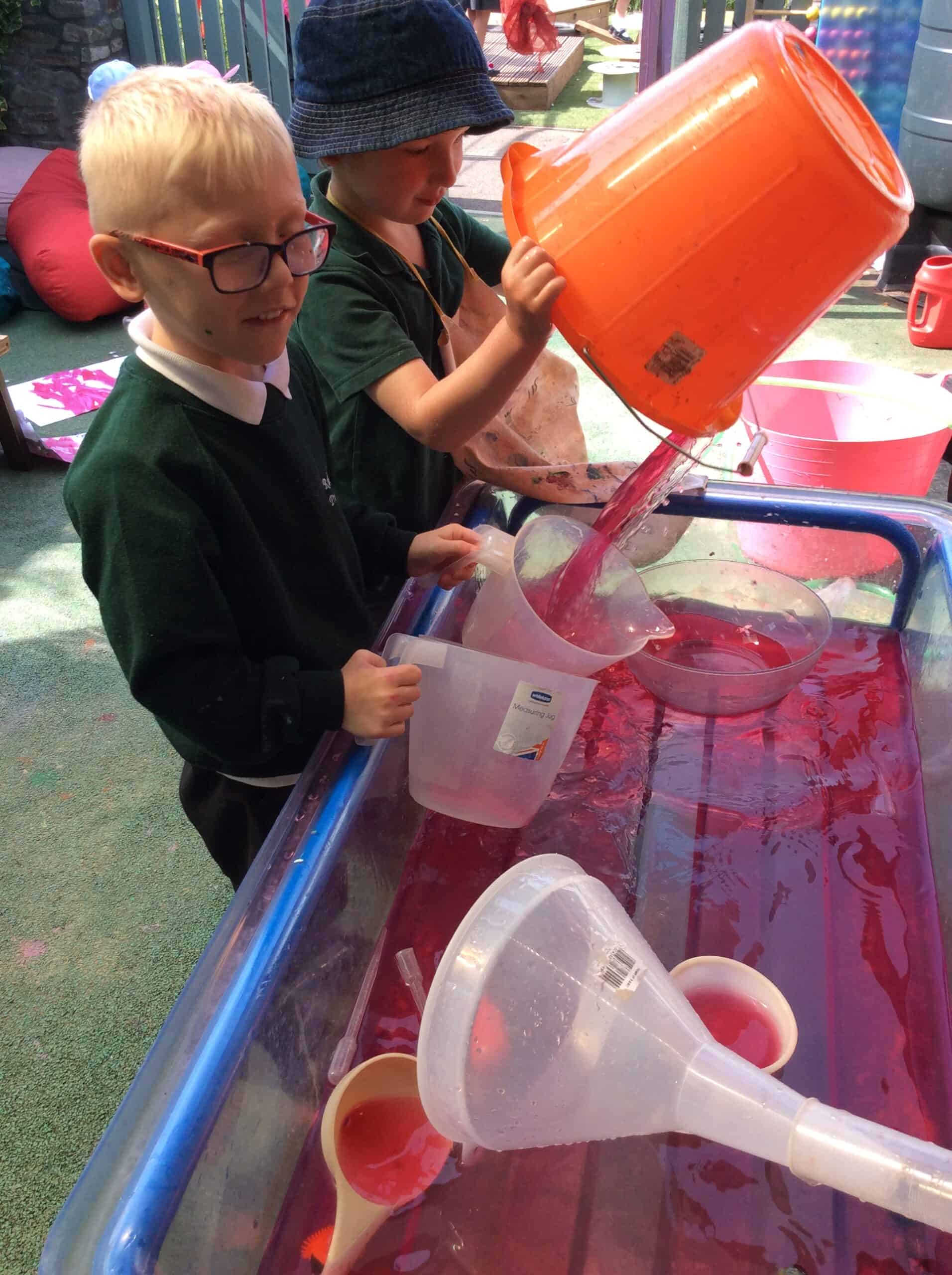
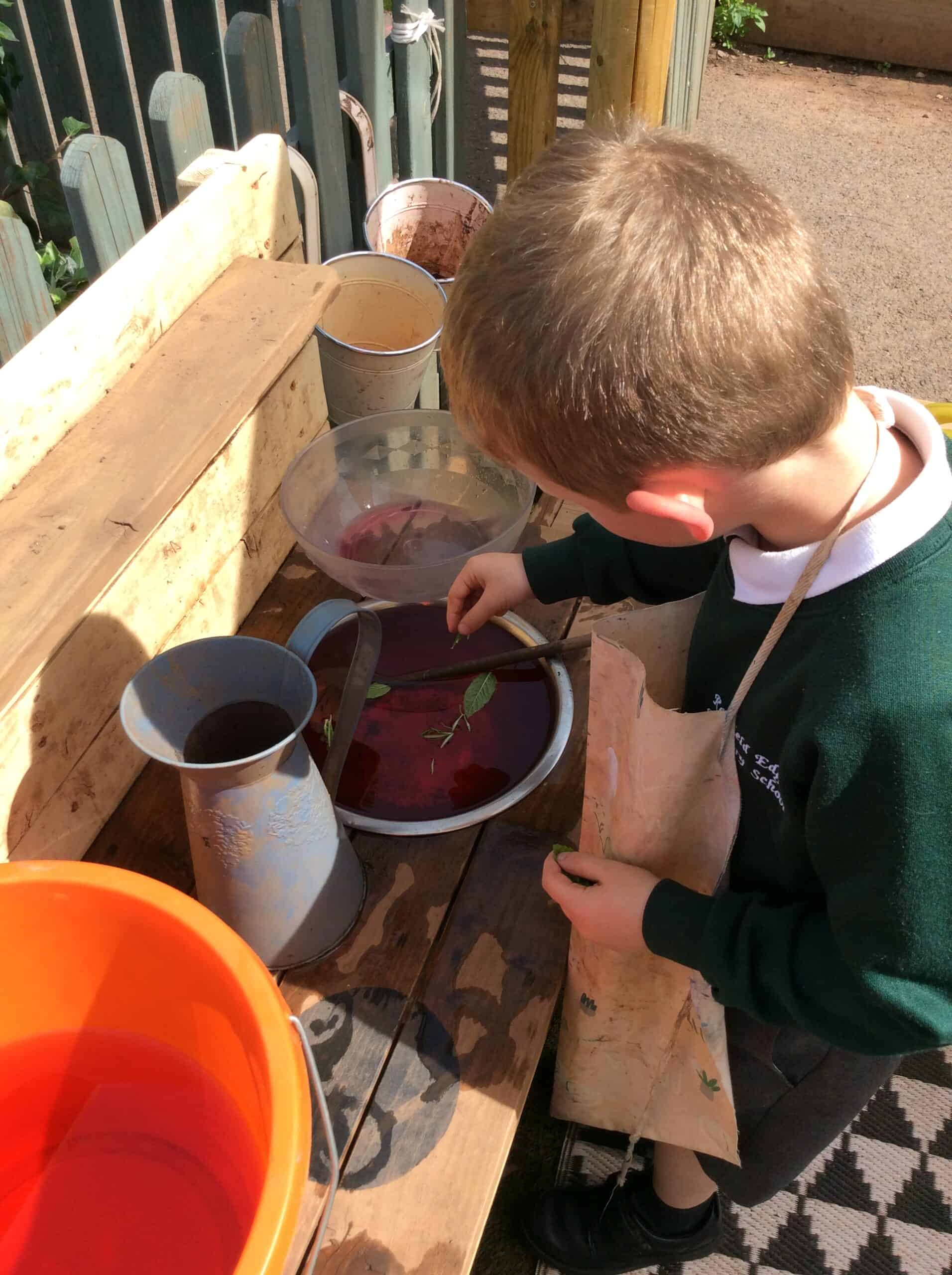
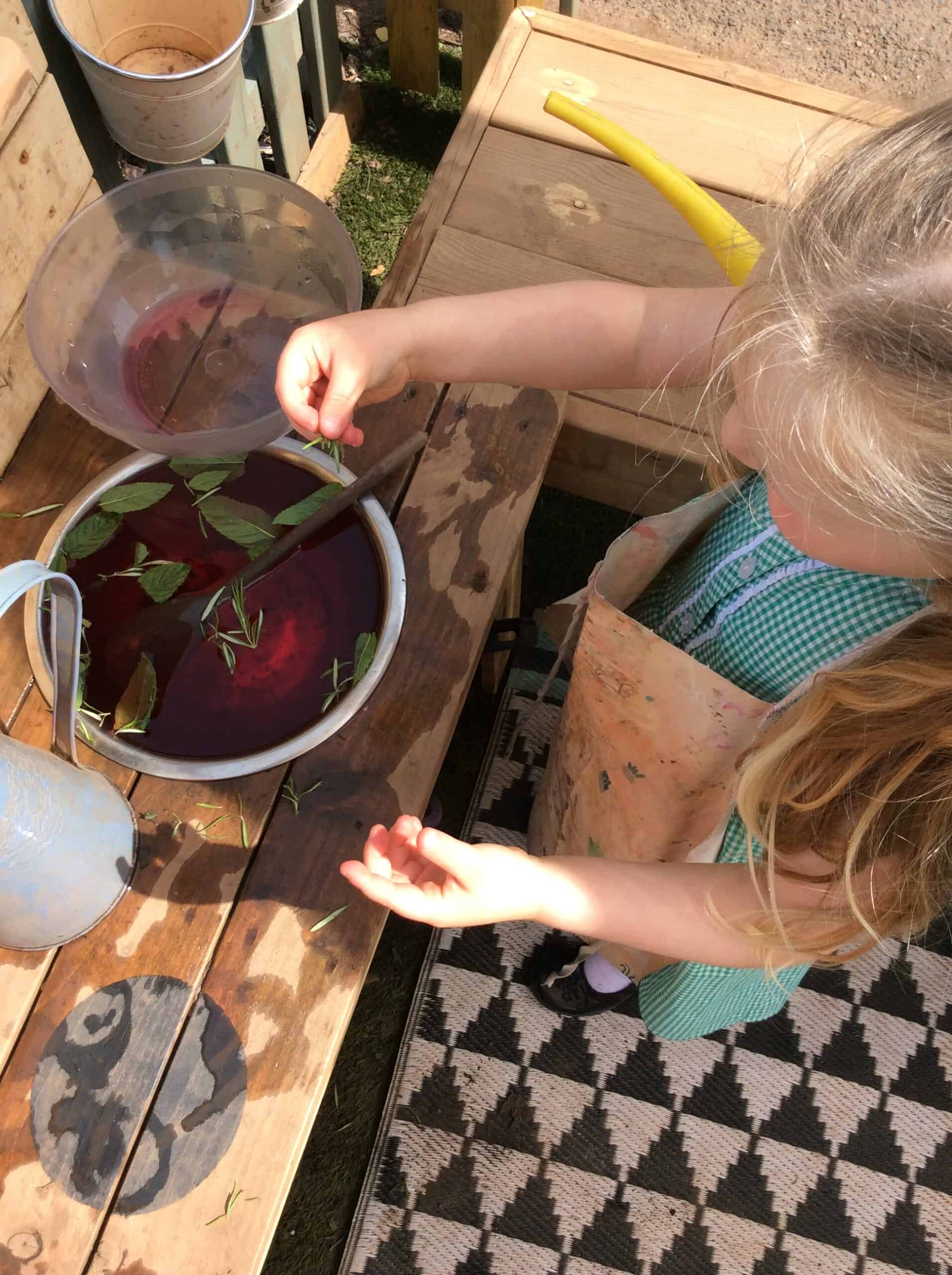
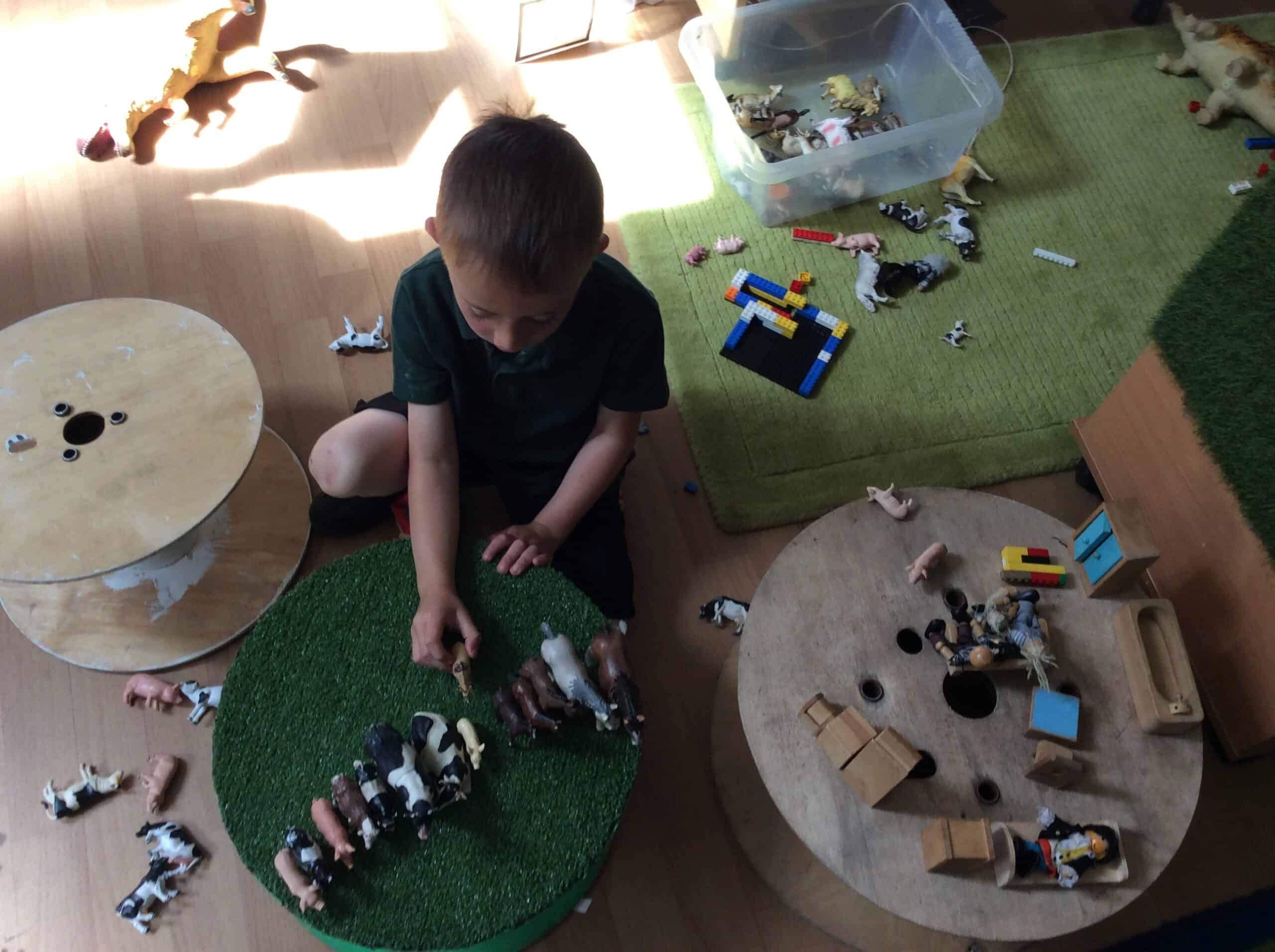
Our environments are designed to encourage children to explore, investigate, create and problem-solve. Through a balance of adult-led teaching and child-initiated learning, children develop independence, creativity and resilience.
Learning takes place both indoors and outdoors, providing children with opportunities to:
- Explore their interests.
- Take risks and solve problems.
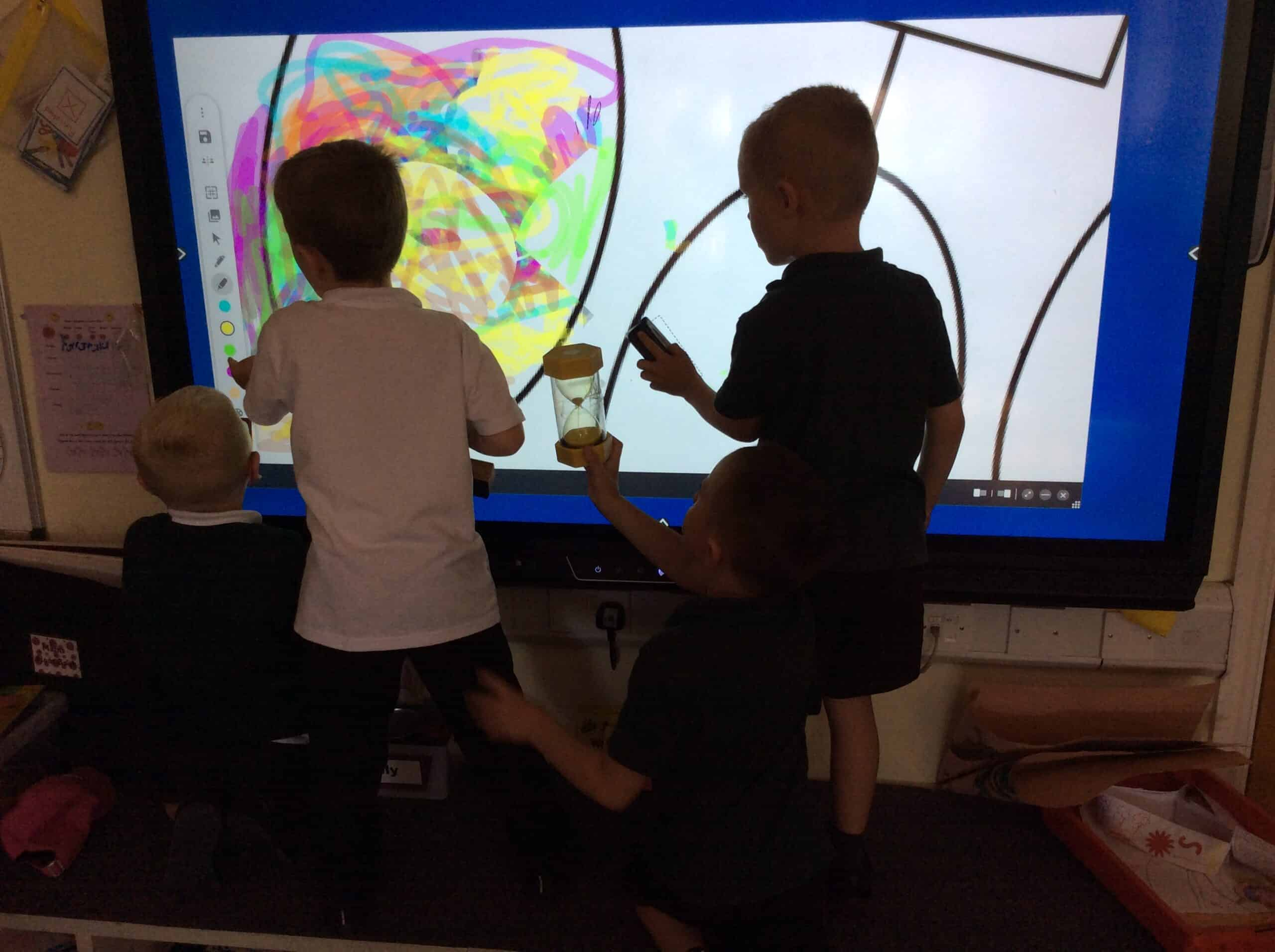
- Work collaboratively with others.
- Develop sustained concentration.
- Build confidence and perseverance.
Early Reading and Mathematics
Developing strong foundations in reading and mathematics is a key priority within our EYFS provision.
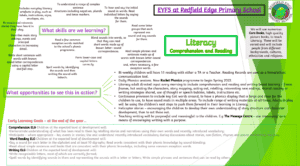
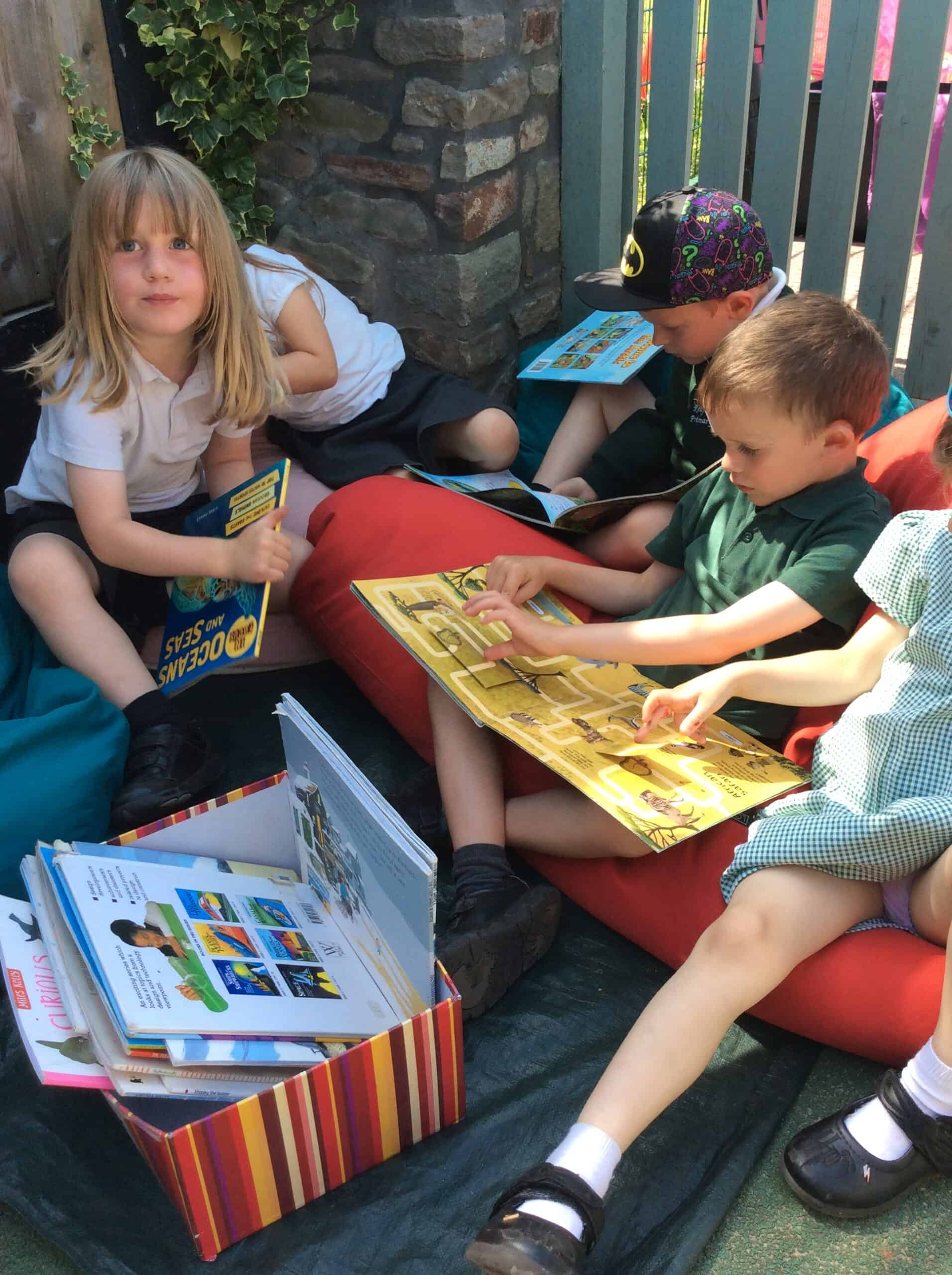
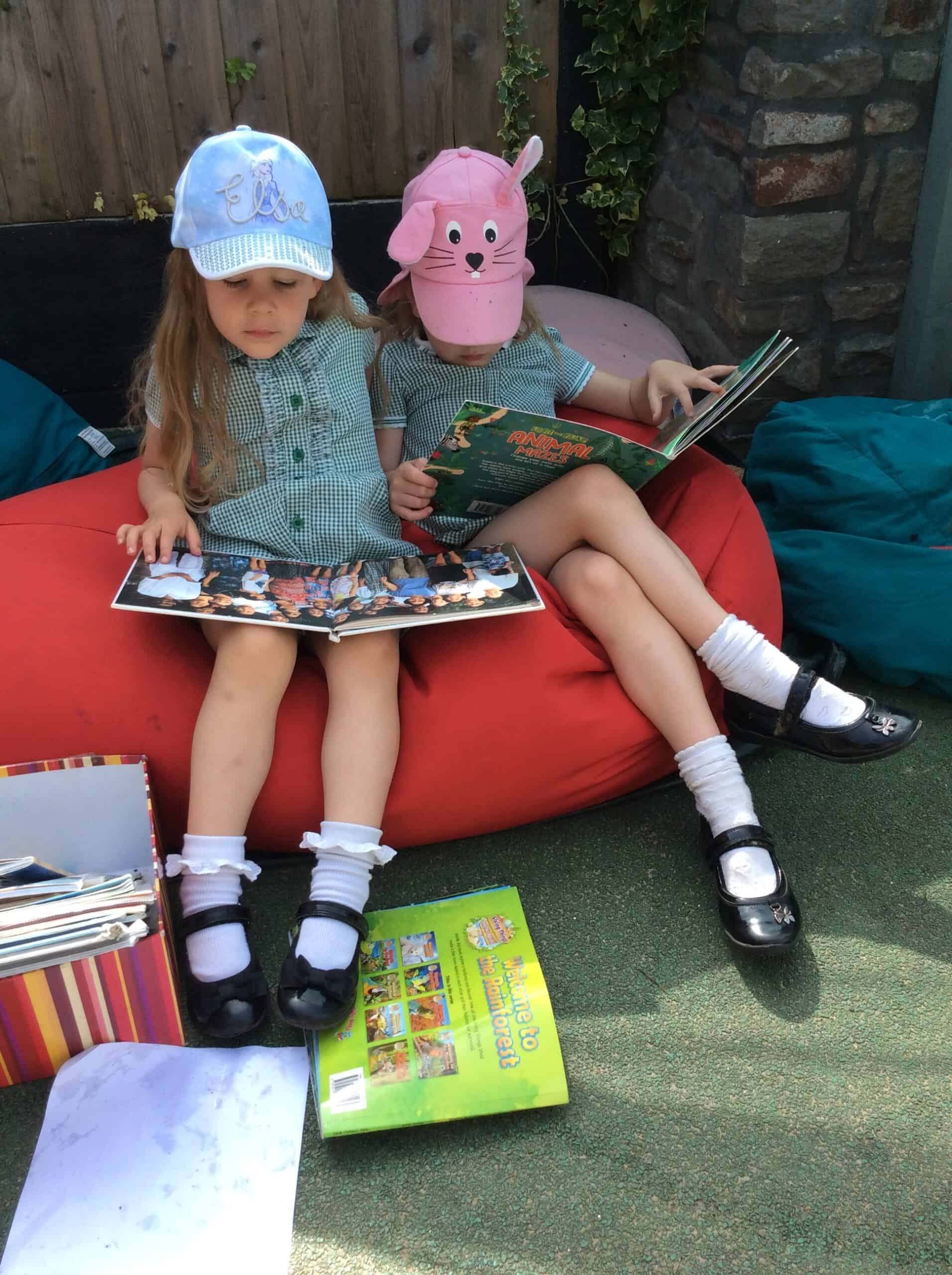
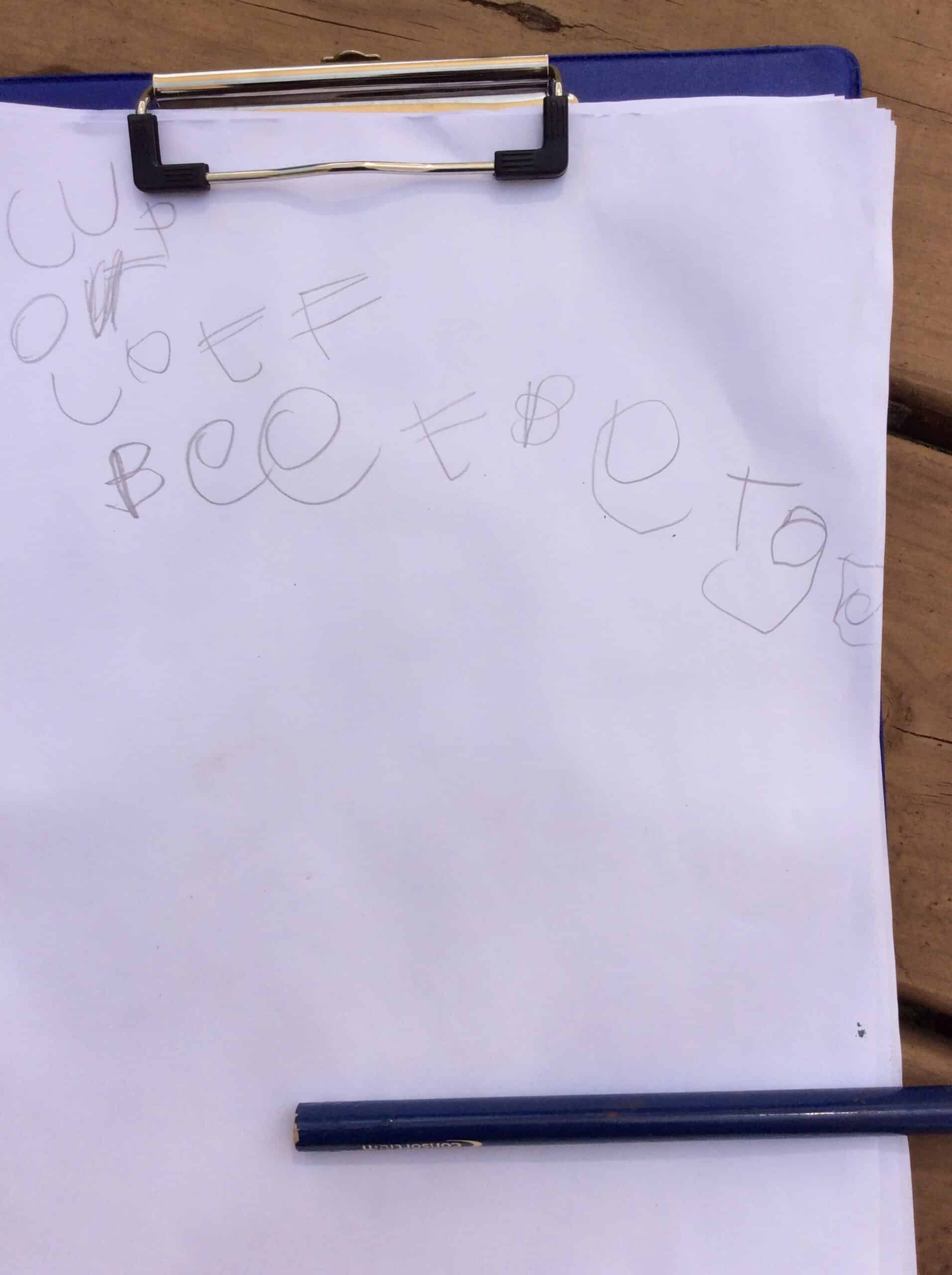
Children are immersed in high-quality texts and stories from the very beginning of their school journey. Through systematic phonics teaching and a language-rich environment, children develop the skills required to become successful readers and writers.
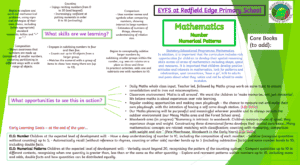
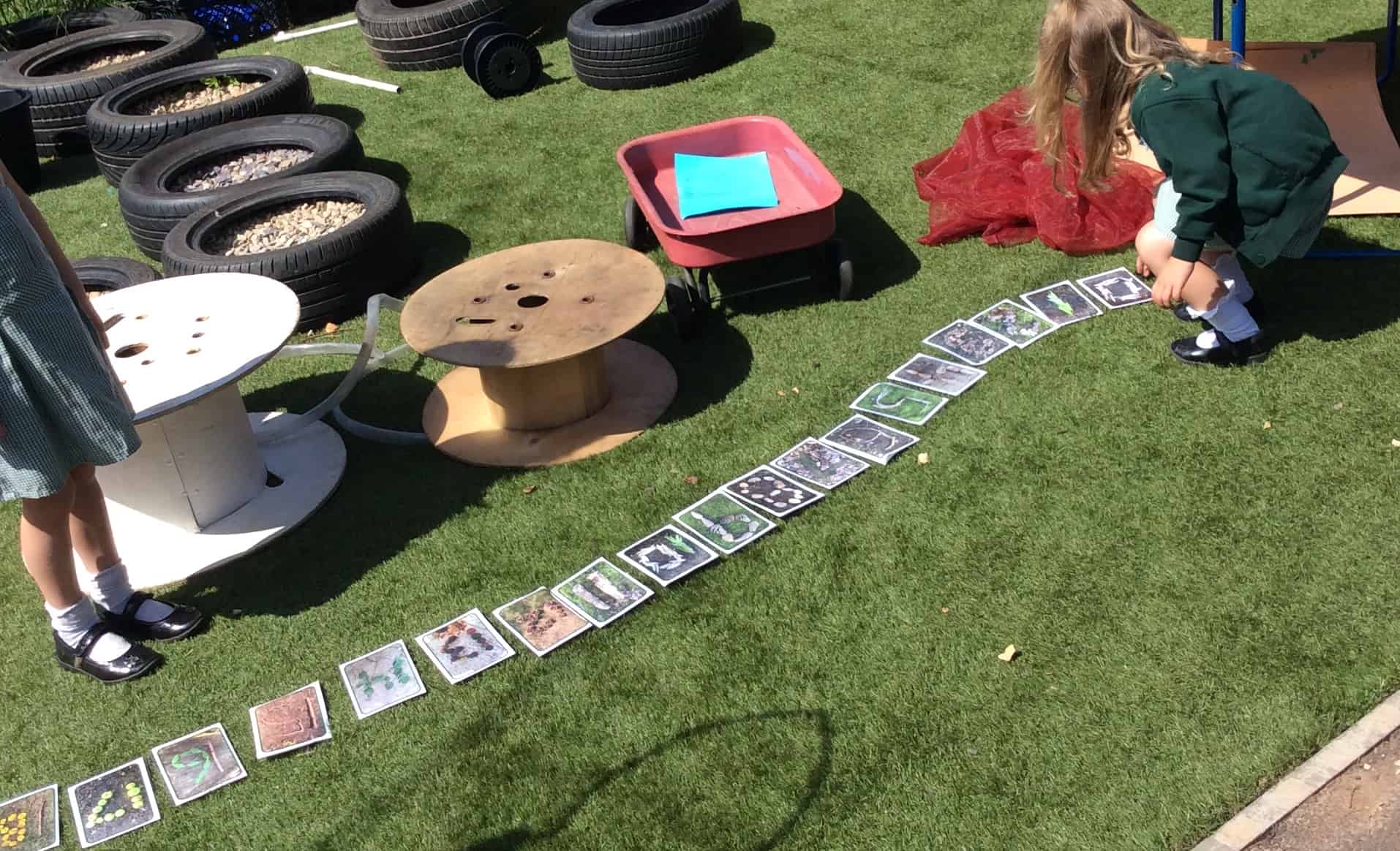
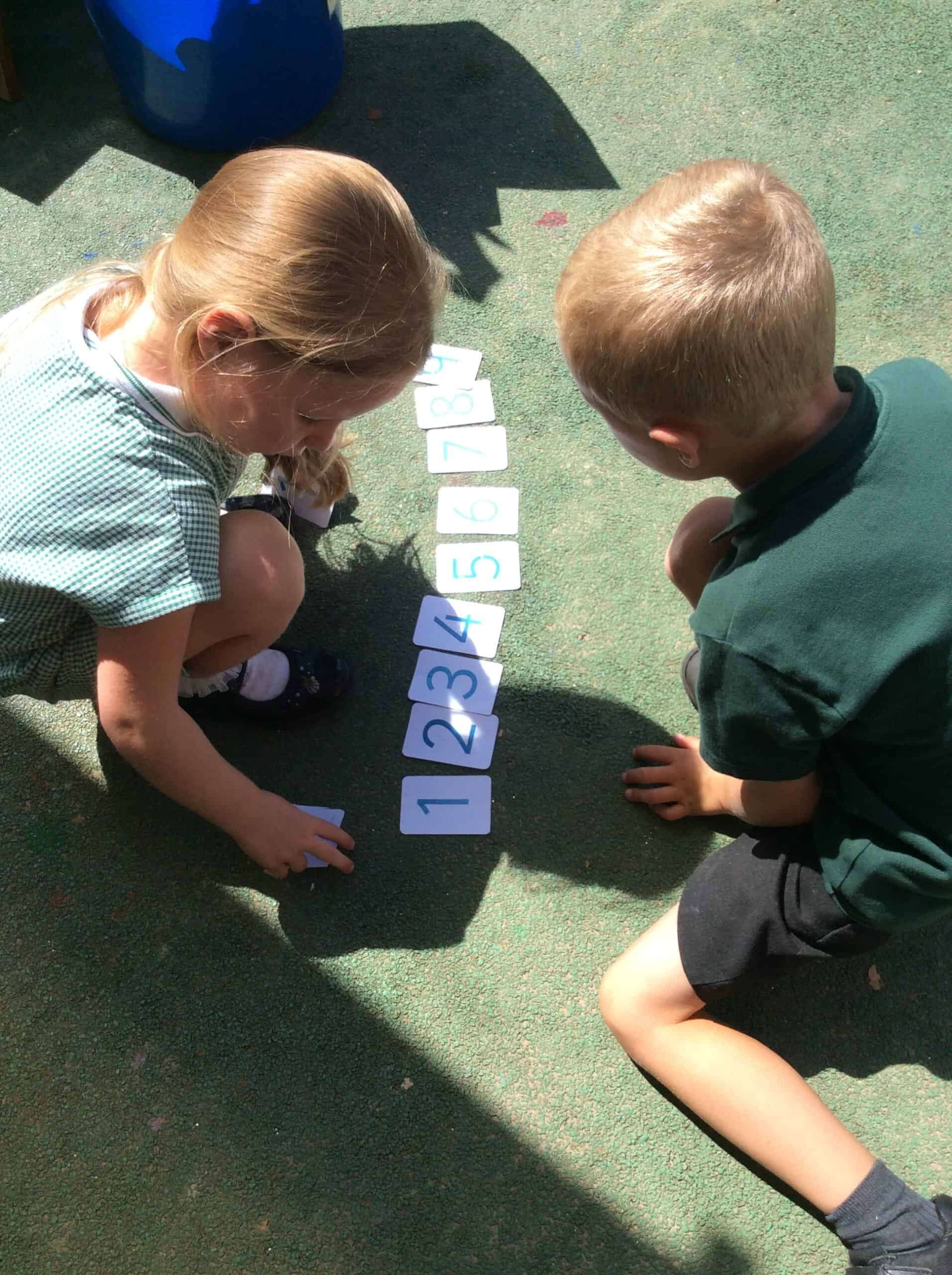
Mathematical understanding is developed through exploration, practical experiences and conversation. Children learn to notice patterns, develop number sense and apply their mathematical thinking in meaningful contexts.
Personal Development and Wellbeing
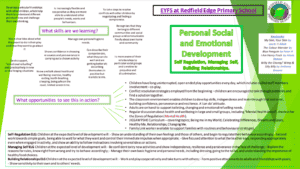
Children’s happiness and wellbeing are central to everything we do.
We help children develop the characteristics of effective learning by encouraging them to:
- Be confident to try new things.
- Persist when learning becomes challenging.
- Reflect on their achievements.
- Develop positive relationships with others.
- Take increasing responsibility for themselves and their learning.
The importance of repetition and routines
- Young children’s brains process information very differently from those of adults. Their brains are still developing and need repeated experiences and predictable patterns to make sense of the world around them.
- Young children learn best through repetition, rhythm, clarity and a slower pace of learning. Repeated experiences help strengthen important neural pathways in the brain, allowing children to build understanding, develop memory and master new skills. When children ask for the same story, song or game again and again, they are not simply repeating an activity, they are deepening their learning.
- Young brains learn best from experiences that are highly predictable, particularly in the earliest years of life. Familiar daily routines help children understand what will happen next enabling them to focus their attention on learning.
- Repetition and routine are particularly important for language development. Hearing the same words, stories and songs repeatedly allows children to tune into the rhythms and patterns of language. Research suggests that rhythmic and repetitive language is easier for young children to process because it aligns with the natural rhythms of the developing brain.
- Rather than constantly introducing something new, we provide children with the time, consistency and repetition they need to build secure foundations for future learning.
In practice, this means we:
- Read favourite stories many times.
- Use familiar songs, rhymes and repeated language patterns.
- Follow consistent daily routines and expectations.
- Provide opportunities for children to revisit and master learning.
- Balance new experiences with familiar, predictable activities.
- Support children to develop confidence through repetition and success.
Partnership with Families
We recognise that parents and carers are children’s first educators and that strong partnerships between home and school are essential.
We work closely with families to:
- Share learning and achievements.
- Celebrate successes.
- Support children’s development.
- Ensure every child receives the best possible start to school life.
By working together, we create a shared commitment to helping every child flourish.